
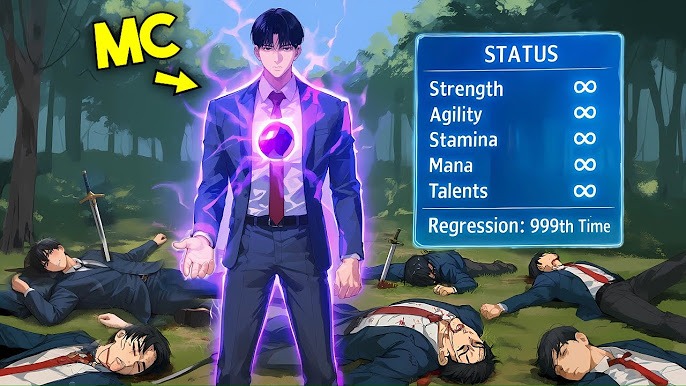
I Discovered Why A Regressor’s Tale of Cultivation Hooks Readers So Deeply

Walking into the world of a regressors tale of cultivation feels like finding a secret door in your own backyard. You think you know what to expect from fantasy stories, but then you meet a protagonist who has already lived an entire lifetime of failure. This unique twist transforms the typical power fantasy into something far more compelling and emotionally resonant. Readers worldwide have embraced this subgenre, and the reasons behind its massive popularity reveal a lot about what we truly want from our stories.
What Makes a Regressors Tale of Cultivation Different
Most fantasy heroes start from zero and stumble their way toward greatness through luck and circumstance. The regressor flips this entirely by bringing back the wisdom, regrets, and unresolved trauma of a previous life. This creates immediate tension because the reader knows the protagonist understands exactly what mistakes not to make. Yet knowledge alone rarely solves everything, which keeps the stakes genuinely high throughout the narrative.
The cultivation element adds another layer entirely, drawing from ancient Chinese martial arts philosophy and spiritual advancement systems. Characters don’t just train their bodies; they refine their souls, gather spiritual energy, and break through realm after realm toward immortality. When you combine this progression system with the regressor’s foreknowledge, you get a story that satisfies on multiple levels simultaneously.
The Emotional Core That Keeps Readers Hooked
At its heart, every regressors tale of cultivation explores themes of redemption and second chances that resonate universally. The protagonist carries the weight of past failures like a stone in their pocket, visible only to themselves. This secret burden creates powerful dramatic irony where readers watch characters make choices while knowing the hidden history behind every decision.
The best stories in this genre don’t just focus on revenge or correcting past mistakes. They examine how having perfect information changes human relationships and moral choices. When you know who will betray you, do you cut them off immediately or try to save them? These questions elevate the genre beyond simple power fantasies into genuine character studies.
Popular Examples and Their Unique Approaches
According to industry tracking sites like Novel Updates and Webnovel, several titles have defined this burgeoning subgenre. “Reverend Insanity” presents a morally complex protagonist who uses his regression ruthlessly, while “Tales of Demons and Gods” focuses more heavily on protecting loved ones from known tragedies. Each author brings different philosophical questions to the table, creating variety within the established formula.
Some stories emphasize the cultivation aspect heavily, with detailed explanations of techniques and realms that would satisfy hardcore martial arts fantasy fans. Others use regression primarily as a vehicle for political intrigue and strategic manipulation. This flexibility explains why the genre appeals to readers who might not typically pick up fantasy novels at all.
Common Questions About This Growing Genre
Many readers wonder whether they need prior knowledge of Chinese cultivation systems to enjoy these stories. The answer is generally no, as good authors explain the mechanics organically through the protagonist’s experiences. Most modern translations and original English works have adapted the concepts for broader audiences without losing their cultural richness.
1. Do I need to understand cultivation systems before reading?
You absolutely do not need any background knowledge to dive into a regressors tale of cultivation. The best authors weave explanations naturally into the narrative through the protagonist’s rediscovery of techniques they once mastered. Readers learn alongside the character, making the experience feel like an adventure rather than a lecture. Most popular series now include glossaries for complex terms, but the emotional core remains accessible regardless.
2. Where should beginners start with this genre?
Starting with completed series offers the most satisfying introduction to this unique storytelling form. Ongoing works often suffer from translation delays or author hiatuses, which can break immersion for new fans. Based on community recommendations, “Tales of Demons and Gods” provides an excellent entry point with its balanced mix of action and character development. Many readers also suggest checking review sites like Novel Updates to find completed stories that match your specific interests.
3. What makes regression different from standard reincarnation stories?
The key distinction lies in memory retention and emotional continuity between lives. Standard reincarnation usually involves starting fresh with no prior knowledge, essentially creating an entirely new character. A true regressors tale of cultivation keeps all memories, skills, and emotional scars intact, creating a protagonist who is simultaneously old and young. This duality generates unique conflicts that reincarnation stories simply cannot replicate.
4. Are these stories only about fighting and power levels?
While combat and progression systems form the backbone of the genre, the best works explore much deeper territory. Relationships take on fascinating complexity when one party remembers decades of shared history that the other has not yet experienced. Moral questions about changing fate, saving doomed loved ones, and preventing atrocities you have already witnessed create genuine philosophical weight. The fighting serves the character development rather than replacing it.
5. Why has this genre exploded in popularity recently?
Several factors have converged to push a regressors tale of cultivation into mainstream awareness. Web novel platforms have made translation and distribution easier than ever before, allowing stories to find global audiences instantly. The core fantasy of fixing past mistakes resonates powerfully with readers facing their own regrets and missed opportunities. Additionally, the strategic elements appeal to fans of progression fantasy who want their protagonists to succeed through intelligence rather than pure luck.
Why This Genre Matters in Modern Storytelling
The explosion of a regressors tale of cultivation represents something larger happening in global entertainment. Readers increasingly crave stories that blend Eastern philosophical concepts with Western narrative structures. These novels offer escapism while still engaging with serious questions about fate, free will, and human potential.
The genre also demonstrates how web fiction has democratized storytelling in unprecedented ways. Writers from diverse backgrounds can reach millions without traditional publishing gatekeepers. This has created a vibrant ecosystem where innovation happens rapidly and reader feedback shapes story directions in real time.
Looking Forward to What Comes Next
As more readers discover the unique pleasures of a regressors tale of cultivation, the genre continues evolving in exciting directions. Authors are experimenting with hybrid approaches, combining regression mechanics with science fiction, horror, and even romance elements. This cross-pollination suggests the core concept has staying power beyond current trends.
Whether you are a longtime fantasy reader or someone looking for something fresh, these stories offer experiences difficult to find elsewhere. The combination of strategic depth, emotional weight, and spiritual philosophy creates narratives that linger in your mind long after the final chapter. The best part is that new voices join the conversation every month, ensuring this tale of second chances and cultivated power will continue growing for years to come.