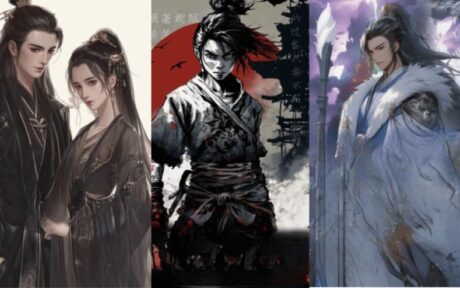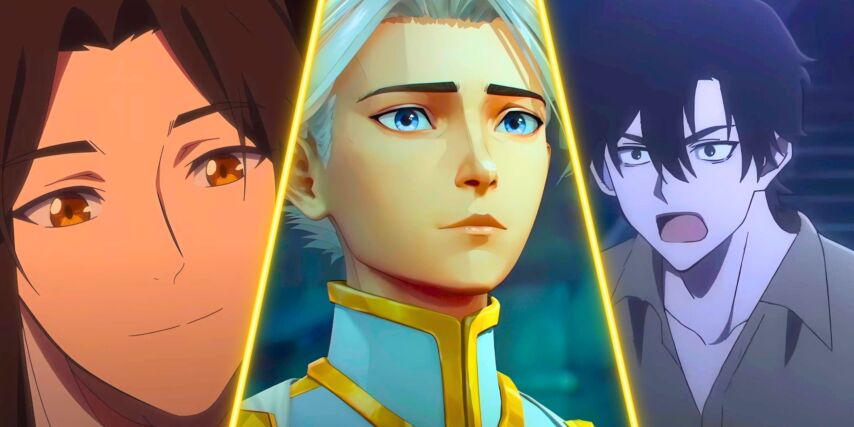
Donghua vs Anime Differences Explained for Beginners Who Want to Know What Makes Chinese Animation Special!

If you have been scrolling through Crunchyroll or Netflix lately and stumbled across shows labeled as “donghua,” you might be wondering what is donghua and how it differs from the anime you already know and love. You are not alone. Thousands of American anime fans are discovering Chinese animation for the first time, and the learning curve can feel steep. This donghua beginner guide breaks down everything you need to know in plain English, so you can decide whether Chinese animation deserves a spot on your watchlist.
What Is Donghua, Really?
Let’s start with the basics. The word “donghua” literally means “moving pictures” in Chinese, and it is the blanket term for all animation produced in China . Think of it like how “anime” is the Japanese word for all animation, but outside Japan it specifically refers to Japanese animation. In the same way, when American fans say “donghua,” they mean Chinese animation.
Chinese animation has been around since the 1920s, with the Wan brothers releasing the first Chinese animated film with sound in 1935 . The industry even influenced early Japanese animation. The 1941 Chinese feature Princess Iron Fan inspired Osamu Tezuka, the creator of Astro Boy, which helped define the classic anime visual style . So in a weird way, donghua helped shape anime as we know it today.
But here is where things get interesting. While anime and donghua both feature stylized characters, dramatic fight scenes, and fantasy worlds, they are built on completely different cultural foundations. Understanding those differences is the key to enjoying Chinese animation without feeling lost.
The Biggest Donghua vs Anime Differences You Will Notice Right Away
If you are coming from anime and diving into Chinese animation for the first time, expect a bit of culture shock. The visual style hits different, the storytelling moves at its own pace, and the cultural references can feel like you are reading a history textbook written by a fantasy author. But do not let that scare you off. Once you understand the key donghua vs anime differences, everything clicks into place and the experience becomes genuinely rewarding. Here are the biggest gaps you will bridge as a new viewer.
1. Animation Style – 3D vs 2D
The first thing that jumps out at most new viewers is the animation style. Japanese anime is famous for its 2D hand-drawn look, with expressive eyes, exaggerated emotions, and fluid motion. Donghua, on the other hand, has fully embraced 3D CGI animation . Shows like Swallowed Star, A Record of a Mortal’s Journey to Immortality, and Renegade Immortal use 3D models that look more realistic, with detailed textures and lighting effects .
This does not mean all donghua is 3D. Some of the most beautiful Chinese animation uses traditional 2D styles. Big Fish & Begonia, a 2016 donghua film, was praised for its art style that many critics compared favorably to Studio Ghibli . Lord of Mysteries and To Be Hero X blend 3D elements with 2D styles in ways that look stunning . But if you are browsing random donghua on a streaming platform, expect to see a lot of 3D.
The trade-off is that 3D donghua can sometimes look robotic in character movement, but it allows for longer episodes and more complex fight choreography . Once your eyes adjust, the action scenes can be absolutely epic.
2. Storytelling Pacing and Structure
Here is a donghua vs anime difference that catches people off guard. Most anime runs 12 to 24 episodes per season, with a clear beginning, middle, and end. Donghua often releases one episode per week and can run for 12 to 30 episodes per season, with some shows airing continuously like a TV drama .
The pacing is also different. Many donghua focus heavily on world-building, political intrigue, revenge plots, and slow power climbs . If you are used to anime that hooks you in the first episode with a flashy fight scene, some donghua might feel slow at first. But fans who stick with it say the payoff is worth it, especially in the cultivation genre.
3. Cultural Roots – Taoism, Buddhism, and Chinese Mythology
This is where donghua really sets itself apart. While anime draws from Japanese mythology, Shintoism, samurai history, and school life, donghua is deeply rooted in Chinese culture . You will see influences from:
- Taoism and Buddhism – spiritual philosophies that shape the magic systems
- Wuxia – stories about martial arts heroes
- Xianxia – fantasy cultivation stories where characters train to become immortal gods
- Ancient dynasties, spirit beasts, and immortal realms
A simple fight scene in a xianxia donghua might involve “opening the 5th spiritual meridian to unlock dragon flame techniques passed down from the Sky-Realm Sect” . It sounds dramatic because it is, but it is grounded in centuries of Chinese storytelling tradition.
4. The Cultivation Genre – A Donghua Staple You Need to Understand
If you are getting into Chinese animation, you cannot avoid the cultivation genre. It is everywhere, and it is the heart of what makes donghua unique.
Cultivation (xiulian in Chinese) is the fictional practice of training your body, mind, and soul to achieve supernatural powers and eventually immortality . It is heavily based on real-life qigong meditation practices and Taoist philosophy . In these stories, protagonists start as weak mortals and slowly climb through power levels by absorbing “qi” (life energy) from the environment, consuming magical pills, or mastering martial arts techniques .
The power system usually works like this:
| Power Level | What It Means |
|---|---|
| Qi Refining | Beginner stage, learning to sense and absorb qi |
| Foundation Building | Establishing a solid base of internal energy |
| Core Formation | Creating a golden core inside the body |
| Nascent Soul | The soul becomes strong enough to exist independently |
| Immortal Ascension | Breaking through to become a true immortal |
Each level comes with new abilities, longer lifespans, and bigger threats. The appeal is watching a weak underdog slowly grind their way to godhood through sheer determination, cleverness, and sometimes a bit of luck. It is like if Naruto spent 500 episodes actually showing you every step of his training in detail.
Popular cultivation donghua includes Battle Through the Heavens, Perfect World, Soul Land, and A Record of a Mortal’s Journey to Immortality .
5. Names, Terms, and World-Building
Another donghua vs anime difference that confuses newcomers is the language. You will encounter a lot of Chinese names and terms that do not have easy English equivalents . Expect to see:
- Surnames like Ye, Xiao, Nie, and Zhang
- Terms like Qi (life energy), Dan Tian (energy center in the body), Heavenly Tribulation (divine punishment for power growth)
- Realms like Nascent Soul, Immortal Ascension, and Saint Emperor
At first, this can feel overwhelming. But most donghua on major streaming platforms now have English subtitles that explain terms naturally through context. After a few episodes, you will pick up the vocabulary without even trying.
Where to Watch Donghua in America?
The good news is that Chinese animation is more accessible than ever for American viewers. Here are the best donghua streaming platforms available right now:
| Platform | What You Get | Best For |
|---|---|---|
| Crunchyroll | Growing library of licensed donghua with English subs | Fans who already use it for anime |
| Netflix | Select titles like Heaven Official’s Blessing | Casual viewers who want dubbed options |
| Bilibili | Massive catalog of Chinese animation, simulcast episodes | Hardcore fans who want the newest episodes |
| iQIYI | Exclusive titles like Super Cube with multilingual subs | Fans looking for fresh, viral hits |
| YouTube | Free episodes available on official channels | Budget viewers testing the waters |
According to a report from iQIYI, their donghua Super Cube gained “significant attention not only in North America but also among young audiences in Brazil, Canada, Argentina, and other countries” . Crunchyroll has also been aggressively adding Chinese animation to its catalog, with titles like Release That Witch premiering in March 2026 .
One thing to note: some donghua on YouTube are region-locked for North America . If you run into this, the Bilibili website works globally with no region locks and accepts PayPal . The Bilibili app is region-locked on Google Play and the App Store, but Android users can download the APK directly if needed .
Top Donghua Recommendations for Anime Fans
If you are an anime fan looking to dip your toes into Chinese animation, here are the best starter shows that bridge the gap:
1. For Fans of Action and Power Systems
- Battle Through the Heavens – A cultivation epic with hundreds of episodes. The main character, Xiao Yan, starts as a disgraced genius and works his way back to the top. Think Naruto meets Dragon Ball with Chinese martial arts .
- Swallowed Star – A sci-fi cultivation hybrid set in a post-apocalyptic world with monsters. Great for fans of Attack on Titan or Solo Leveling .
- Fog Hill of Five Elements – Stunning hand-drawn animation with fight choreography that rivals the best Japanese action anime .
2. For Fans of Mystery and Supernatural
- Link Click – Two guys run a photo studio where they can travel back in time through photographs to solve clients’ regrets. It is emotional, clever, and available on Crunchyroll .
- Lord of Mysteries – A man transmigrates into a Victorian-era world with secret mysticism societies and supernatural powers. Perfect for fans of dark fantasy .
3. For Fans of Romance and Drama
- Mo Dao Zu Shi (The Founder of Diabolism) – A beautifully animated story about a demonic cultivator who returns from the dead and reconnects with an old friend. Huge in the BL community .
- Heaven Official’s Blessing – A disgraced god tries to redeem himself while uncovering a conspiracy. Gorgeous 2D animation and deep emotional storytelling .
4. For Fans of Comedy
- A Will Eternal – A cowardly protagonist accidentally becomes a powerful cultivator while trying to avoid danger at all costs. Hilarious and surprisingly heartfelt .
- The Daily Life of the Immortal King – An overpowered high schooler tries to live a normal life while hiding his godlike powers. Think One Punch Man with a Chinese twist .
Why Donghua Is Worth Your Time?
Here is the honest truth: donghua is not going to replace anime for most fans, and it does not need to. But it offers something genuinely different that you cannot get anywhere else.
The cultivation genre alone is a massive, intricate world of power systems, sect politics, and mythological creatures that has no real equivalent in Japanese anime . The 3D animation, while polarizing, allows for action scenes on a scale that 2D animation struggles to match . And the cultural depth – from Taoist philosophy to ancient Chinese aesthetics – gives donghua a flavor that feels fresh even to veteran anime watchers.
Industry experts note that while Japanese anime still leads in global brand recognition, donghua is growing fast through international streaming deals and improving production quality . Platforms like Crunchyroll and Netflix are normalizing Chinese animation for American audiences, and the quality gap is shrinking every year.
Frequently Asked Questions
Getting into Chinese animation raises a lot of questions, especially if you are used to the anime ecosystem. From terminology confusion to platform availability, new viewers run into the same roadblocks over and over. The questions below cover the most common headaches people face when they first start exploring donghua, along with straight answers that actually help.
1. What is the difference between donghua and anime?
The main difference is origin. Donghua is animation produced in China, while anime is animation produced in Japan . Stylistically, donghua tends to use more 3D CGI animation compared to anime’s traditional 2D hand-drawn style . Thematically, donghua draws from Chinese culture, Taoism, Buddhism, and cultivation fantasy, while anime draws from Japanese mythology, Shintoism, and school life .
2. Is donghua just Chinese anime?
Technically, yes and no. The word “donghua” means “animation” in Chinese, so it covers all animated works from China . But in English-speaking fan communities, “donghua” specifically refers to Chinese animation with anime-inspired art styles. Some people call it “Chinese anime,” but “donghua” is the more accurate and respectful term .
3. Why does donghua use so much 3D animation?
Chinese studios embraced 3D CGI faster than Japanese studios because it allows for longer episodes, more complex fight choreography, and cost-effective production at scale . When done well – like in Swallowed Star or Renegade Immortal – the 3D looks clean and epic. When done poorly, it can look robotic. But the technology is improving rapidly, and many fans now prefer the 3D style for action-heavy shows.
4. Where can I watch donghua legally in the United States?
The easiest options are Crunchyroll and Netflix, which both carry licensed donghua with English subtitles . For a bigger catalog and simulcast episodes, Bilibili’s website works in the US with PayPal payments . iQIYI also offers exclusive titles with English subs . YouTube has free episodes on official channels, though some are region-locked .
Conclusion
Donghua vs anime differences go way deeper than just “Chinese animation vs Japanese animation.” From the 3D animation style to the cultivation genre’s unique power systems, from Taoist philosophy to weekly release schedules that feel more like TV dramas, Chinese animation offers a fresh experience for fans willing to step outside their comfort zone.
If you are an anime fan curious about what is donghua, start with something accessible like Link Click or Mo Dao Zu Shi on Crunchyroll. Give the 3D style a few episodes to grow on you. Learn the basic cultivation terms. Before you know it, you will be binge-watching Battle Through the Heavens at 2 AM and wondering why you did not start sooner.
The donghua industry is only getting bigger, with more titles hitting American streaming platforms every month. Now is the perfect time to jump in and see what Chinese animation has to offer.