How Chinese Web Novels English Translation Is Taking Over Global Bookshelves?

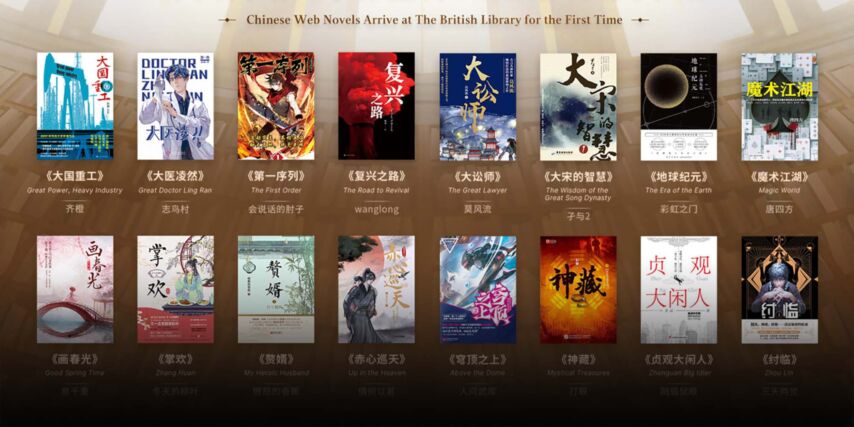
Chinese web novels English translation has transformed from a niche hobby into a massive cultural phenomenon that now reaches hundreds of millions of readers worldwide. What started as fan-driven projects on small forums has evolved into a sophisticated industry worth nearly $700 million annually. The journey of these serialized stories from Chinese servers to global smartphones represents one of the most significant shifts in modern publishing history.
The Rise of Digital Translation Platforms
The story begins in December 2014 when RWX founded Wuxiaworld, a platform dedicated to bringing Chinese martial arts and fantasy fiction to English readers. According to Wuxiaworld’s official history, the site quickly became the largest Chinese-to-English novel translation platform globally, ranking among the top 2000 websites worldwide by Alexa metrics. The platform built its reputation on high-quality translations of genres like wuxia, which features martial arts heroes in semi-realistic settings, and xianxia, which blends Daoist magic with cultivation themes.
By 2025, the landscape had expanded dramatically. WebNovel, the international arm of Tencent’s Yuewen Group, now connects nearly 400 million readers with over 530,000 writers across more than 200 countries and regions. The platform hosts approximately 820,000 original works, with more than 538 titles surpassing 10 million reads each. This growth reflects a fundamental shift in how global audiences consume long-form fiction.
Market Growth and Cultural Impact
The numbers tell a compelling story of expansion. According to the 2025 China Online Literature Overseas Trend Report, the overseas market for Chinese online literature reached over 4.81 billion yuan ($694.8 million) in 2024, marking a 10.68 percent year-on-year increase. Approximately 200 million overseas active users now engage with Chinese online literature, with North America holding a 30 percent market share and Asia accounting for 80 percent of readers.
The genre diversity has broadened significantly beyond traditional martial arts. While cultivation stories and xianxia remain popular, readers now embrace romance, mystery, science fiction, and urban fantasy translations. Physical bookstores in major cities like Singapore now dedicate entire sections to English translations of Chinese web novels, with titles such as “Thousand Autumns” and “Grandmaster of Demonic Cultivation” appearing on shelves alongside Western bestsellers.
How Translation Technology Is Changing the Game?
Artificial intelligence has revolutionized Chinese web novels English translation in recent years. In 2025 alone, WebNovel added over 10,000 new AI-translated works to its library, shattering previous language barriers. This technological leap allows stories originally written in Thai, Korean, Filipino, and Turkish to reach global audiences through rapid translation pipelines.
However, human translators remain essential for quality control. Professional translation teams work alongside AI tools to preserve cultural nuances, idiomatic expressions, and the unique narrative voice that makes these stories distinctive. The combination of machine efficiency and human creativity has enabled platforms to release chapters daily, maintaining the serialized format that keeps readers engaged and returning for more.
Frequently Asked Questions (FAQs)
Chinese web novels English translation has sparked countless questions among curious readers discovering this vast literary world for the first time. Whether you are wondering where to start reading, how translation quality varies between platforms, or what makes these stories culturally unique, you are certainly not alone in your curiosity. The following answers address the most common inquiries to help you navigate this exciting and rapidly growing genre with confidence.
1. Where can I find legitimate English translations of Chinese web novels?
Several platforms offer high-quality Chinese web novels English translation. Wuxiaworld specializes in martial arts and fantasy genres, while WebNovel provides the broadest selection across multiple categories. Volare Novels focuses on community engagement, and Tap Read offers newer titles with offline reading capabilities. Most platforms operate on freemium models where early chapters are free and later content requires payment or watching advertisements.
2. What makes Chinese web novels different from Western fantasy books?
Chinese web novels typically feature longer serialized formats with daily or weekly chapter releases, creating ongoing engagement between authors and readers. The cultivation system, where characters progress through martial or spiritual ranks, offers a structured power progression that differs from Western leveling systems. Additionally, these stories often incorporate distinct cultural elements such as face-saving, filial piety, and reincarnation tropes that provide fresh perspectives for Western audiences.
3. Are fan translations still relevant today?
Fan translations played a crucial role in establishing the market, with approximately 80 percent of early English translations being done by volunteers before official platforms emerged. While professional translation has largely taken over, fan communities still contribute by translating niche works unavailable through official channels. However, readers increasingly prefer official translations for their consistent quality and direct support to original authors.
The Future of Global Storytelling
Chinese web novels English translation has evolved from underground hobby to mainstream entertainment, fundamentally altering how stories cross cultural boundaries. Industry leaders now focus on cultivating local ecosystems rather than simply exporting translations, encouraging writers worldwide to create content inspired by Chinese narrative frameworks. This approach has already produced success stories like Russian author Barisbi Alborov, whose novel “Shadow Slave” draws heavily from Eastern fantasy tropes while resonating with global audiences.
As AI translation continues improving and platforms expand their reach into emerging markets like Latin America, the influence of Chinese web fiction will only grow stronger. The medium has proven that compelling storytelling transcends language barriers, creating a truly global community of readers and writers who share a passion for immersive, serialized narratives.