
What Is a Manhwa? and Why Korean Comics Are Taking Over the World?

Manhwa is the Korean word for comics or graphic novels that originate from South Korea, and it has become one of the fastest-growing forms of entertainment globally. While many readers are familiar with Japanese manga, manhwa offers a distinct cultural perspective with its own unique artistic style and storytelling traditions. The term itself has an interesting history, as it actually derives from the same Chinese root word “manhua” that also gave us the Japanese term “manga” . Understanding what makes manhwa special requires looking at its historical development, visual characteristics, and the digital revolution that transformed how these stories reach audiences worldwide.
The Origins and History of Korean Comics
The story of manhwa begins during a turbulent period in Korean history. According to EBSCO’s research starters on literature, the term gained popularity during the 1920s when it was applied to cartoons in Korean newspapers . During the Japanese occupation from 1910 to 1945, Japanese cultural influences including manga entered Korean society, which helped shape early manhwa development. Early newspaper comics often contained sharp social criticism, though political pressures eventually pushed creators toward children’s content and humorous illustrations by the mid-1920s.
After Korea gained independence in 1948, the medium continued evolving through periods of censorship and creative resurgence. The Korean War saw cartoons used extensively for propaganda purposes, while the post-war era brought rental stores where readers could borrow comics cheaply. The 1950s and 1960s represented a golden age with diverse genres emerging, including sunjeong (romantic stories for young women). However, strict government censorship in the mid-1960s created significant challenges for creators and publishers alike .
How Manhwa Differs From Manga and Manhua?
Three major East Asian comic traditions share common roots but have developed distinct identities. Manga comes from Japan, manhwa from South Korea, and manhua from China, Taiwan, and Hong Kong. The creators even have specific titles: a manga artist is called a “mangaka,” a manhwa creator is a “manhwaga,” and a manhua artist is a “manhuajia” .
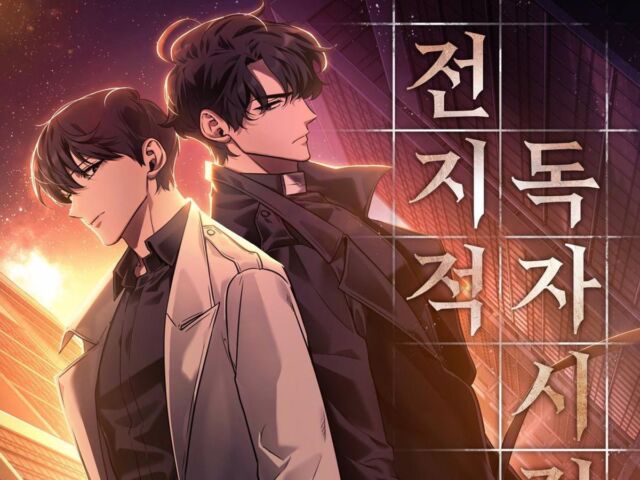
The most immediately noticeable difference lies in reading direction. Manga and manhua traditionally follow right-to-left reading patterns, while manhwa reads left-to-right like Western comics, making it more accessible to international audiences . Art style represents another key distinction. Digital manhwa typically features full-color artwork with more realistic character proportions compared to the often black-and-white, stylized approach of manga . The vertical scrolling format of webtoons, a digital evolution of manhwa, allows creators to depict movement and time passage in ways that traditional page-based comics cannot easily achieve.
The Webtoon Revolution Changed Everything
The modern manhwa landscape transformed dramatically with the rise of webtoons. These digital comics, designed specifically for smartphone consumption with vertical scrolling, have democratized both creation and distribution. Platforms like LINE Webtoon and KakaoPage have introduced Korean comics to millions of international readers who might never have encountered traditional print manhwa .
This digital-first approach has influenced storytelling techniques significantly. Manhwa chapters tend to feature faster pacing with cliffhanger endings designed to keep readers engaged in a weekly release schedule. The episodic structure works perfectly for online consumption where attention spans are shorter and competition for readers is fierce. Many webtoons also incorporate music and sound effects that enhance the reading experience beyond what print media can offer .
Popular Manhwa That Broke Into Mainstream Culture
Several manhwa titles have transcended their original medium to become global phenomena. Solo Leveling stands as perhaps the most successful example, with its anime adaptation released in January 2024 propelling the series to new heights of popularity. According to industry data, ten volumes of Solo Leveling appeared among the top-selling adult graphic novels of 2024 . The story follows a weak hunter who gains the ability to level up infinitely in a world where portals connect to monster-filled dimensions.
Other breakout hits include Tower of God, which received an anime adaptation by Crunchyroll, and True Beauty, which became a Netflix series. Lore Olympus, a romantic fantasy retelling of Greek mythology, has also achieved remarkable success with multiple volumes appearing on bestseller charts . These adaptations demonstrate how manhwa has become a legitimate source material for major streaming platforms and animation studios, much like manga has been for decades.
Frequently Asked Questions (FAQs)
People discovering manhwa for the first time often have similar questions about this medium. Here are the most frequently asked questions to help new readers understand what to expect.
1. Is manhwa only available in digital format?
While webtoons dominate the current market, traditional print manhwa continues to exist. Print manhwa is traditionally published in black and white similar to manga, though digital versions are almost always in full color . Many popular webtoons eventually receive physical print releases for collectors, and some series start as print publications before moving online.
2. Why do manhwa characters look different from manga characters?
Manhwa artists typically aim for more realistic human proportions and appearances compared to the often exaggerated features common in manga. This reflects different artistic philosophies and cultural preferences. Additionally, the use of full color in digital manhwa allows for different approaches to character design, lighting, and emotional expression through color psychology rather than relying solely on line work and screentone .
3. Can I read manhwa for free legally?
Yes, numerous platforms offer free access to manhwa through ad-supported models. WEBTOON, the largest platform, provides thousands of titles at no cost with new episodes released weekly. Other services like TappyToon and Lezhin offer both free and premium content. Supporting these legal platforms ensures that manhwagas receive compensation for their work and encourages continued investment in quality translations .
Why You Should Start Reading Manhwa Today?
The global comic landscape has never been more diverse or accessible, and manhwa represents an essential part of this creative ecosystem. Whether you are drawn to action-packed fantasies like Solo Leveling, romantic dramas like True Beauty, or innovative sci-fi concepts, Korean comics offer fresh perspectives that complement rather than replace other storytelling traditions. The left-to-right reading direction removes the learning curve that sometimes deters new manga readers, while the full-color digital format creates visually stunning experiences optimized for modern screens.
As streaming services continue adapting manhwa into anime and live-action series, reading the original comics provides deeper appreciation for these stories and supports the creators directly. The barrier to entry has never been lower, with thousands of chapters available instantly on your phone. Understanding what is a manhwa opens the door to a vibrant world of storytelling that continues growing in both artistic ambition and global influence.