Is a Manga Collector’s Edition Worth Buying? Here’s What You Need to Know

Manga collector’s editions have become increasingly popular among fans who want more than just the standard reading experience. These premium releases often feature hardcover bindings, larger page formats, exclusive artwork, and additional content that standard volumes simply do not include. Whether you are a longtime manga enthusiast or a newcomer to the medium, understanding the true value of these special editions can help you make smarter purchasing decisions.
What Makes a Collector’s Edition Different?
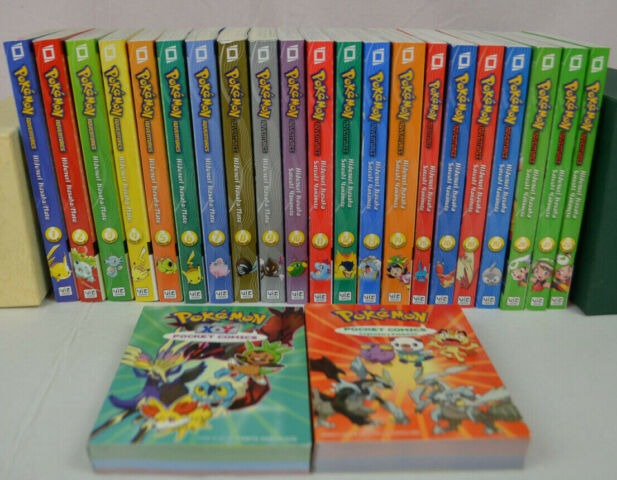
Standard manga volumes typically measure around 5 inches by 7.5 inches with paperback covers. Collector’s editions break away from this mold entirely. According to industry reports from Publishers Weekly, these premium releases often feature dimensions closer to 7 inches by 10 inches or larger. The hardcover binding provides durability that paperback simply cannot match.
The paper quality represents another significant upgrade. Many collector’s editions use heavier stock that reduces bleed-through and enhances artwork clarity. This matters particularly for series with detailed illustrations or dark tonal ranges. Some editions even include color pages that were originally printed in black and white for standard releases.
Additional content varies by publisher and series. Common bonuses include interviews with creators, early concept sketches, cover galleries, and exclusive short stories. These extras provide insight into the creative process that dedicated fans genuinely appreciate.
The Financial Reality of Premium Manga
Collector’s editions demand a significantly higher financial commitment than their standard counterparts, often forcing buyers to weigh passion against practicality. A single premium volume can cost as much as two or three regular paperbacks, which means building a complete series collection requires substantial budgeting. Understanding where this extra money goes and whether the returns justify the investment helps collectors make informed decisions rather than emotional purchases.
1. Understanding the Price Difference
Collector’s editions typically cost two to three times more than standard volumes. A standard paperback might retail for $9.99 to $12.99, while collector’s editions often start at $24.99 and can exceed $50 for box sets. This price gap requires careful consideration of your budget and collecting goals.
The investment value depends heavily on the series popularity and print run size. Limited editions with numbered certificates or exclusive merchandise tend to appreciate in value on the secondary market. According to forum discussions on Reddit’s r/mangacollectors community, out-of-print editions from popular series like Akira or Berserk can sell for significantly more than their original retail price.
However, not every collector’s edition becomes a valuable collectible. Mass-produced editions of currently popular series rarely appreciate unless they go out of print. Buying solely for investment purposes carries risk similar to any collectible market.
2. Long-Term Cost Analysis
Looking beyond the sticker price reveals important differences in how standard and collector’s editions perform over years of ownership. The initial purchase represents only part of the total cost equation, as durability, replacement needs, and potential resale value all factor into the true lifetime expense. Smart collectors evaluate these long-term variables before committing to either format, since what seems cheaper today may actually cost more over time.
| Aspect | Standard Editions | Collector’s Editions |
|---|---|---|
| Initial Cost | $10–$13 per volume | $25–$50 per volume |
| Durability | Moderate (paperback wear) | High (hardcover protection) |
| Resale Value | Low to moderate | Moderate to high (rare editions) |
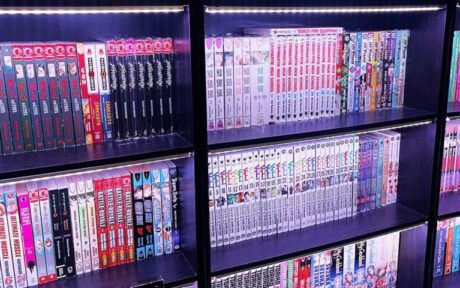
| Shelf Appeal | Basic | Premium display quality |
| Content | Standard translation | Often includes extras |
Which Series Offer the Best Value?
Not all manga series benefit equally from the collector’s edition treatment, and selecting the right titles separates worthwhile investments from expensive disappointments. Classics with established fanbases and completed story arcs typically offer the most satisfying premium packages, while ongoing series carry the risk of incomplete collections. Understanding which publishers consistently deliver quality and which series truly merit the deluxe format helps collectors focus their spending on editions that genuinely enhance the reading experience.
1. Established Classics Worth Considering
Certain manga series benefit enormously from the collector’s edition treatment. According to Wikipedia’s comprehensive manga database, classics like Fullmetal Alchemist, Death Note, and Attack on Titan have received well-received fullmetal editions that compile multiple volumes into premium formats.
The Akira 35th Anniversary Box Set represents a standout example. This edition includes all six volumes in hardcover with a stunning art book and exclusive patches. Reviews from Anime News Network praised the production quality and archival value of this release.
One Piece has also received the omnibus treatment through its 3-in-1 editions, though these differ from true collector’s editions by focusing on value rather than premium presentation. For genuine collector’s quality, the One Piece Color Walk art books and limited figure bundles offer better investment potential.
2. Modern Releases Getting Premium Treatment
Current hit series increasingly launch with collector’s edition options from the start. Chainsaw Man, Jujutsu Kaisen, and Spy x Family have all seen limited releases featuring exclusive covers and art cards. These editions sell out quickly, creating immediate scarcity that drives secondary market prices.
According to reports from ICv2 tracking manga sales, these limited first printings often represent the best opportunity for collectors. Waiting for standard releases means missing exclusive content that never gets reprinted.
How to Evaluate Before Purchasing?
Impulse buying leads to regret when premium manga fails to meet expectations, making careful evaluation essential before clicking purchase. The marketing materials and product photos rarely tell the complete story, hiding potential flaws in binding, paper quality, or bonus content that only appear after unboxing. Taking time to research specific details and compare options protects your budget and ensures the collector’s edition you choose genuinely deserves its place on your shelf.
- Research the specific content included beyond the standard manga chapters. Look for unboxing videos or detailed reviews showing exactly what extras come with the package.
- Check the binding quality through user reviews. Poor glue binding can ruin even the most beautiful hardcover editions over time.
- Compare the translation and lettering to standard editions. Some collector’s editions feature revised translations or improved typesetting.
- Consider your available shelf space honestly. These editions take up significantly more room than standard paperbacks.
- Verify the completion status of the series. Investing in collector’s editions for ongoing series risks the publisher canceling the format before completion.
Frequently Asked Questions (FAQs)
New and experienced collectors alike face similar uncertainties when navigating the premium manga market, from pricing mysteries to concerns about long-term value. Clear answers to common questions help cut through marketing hype and focus on practical realities that actually matter to buyers. Addressing these frequent points of confusion upfront saves time and prevents costly mistakes that many collectors learn about only after making their purchases.
1. Are collector’s editions good for first-time readers?
Generally, no. The higher price point makes them risky for readers unfamiliar with a series. Start with standard volumes or library copies to confirm your interest. Once you know you love a series, upgrading to collector’s editions makes more financial sense.
2. Do these editions hold their value?
Select editions appreciate significantly, particularly those with small print runs or exclusive merchandise. However, treat manga collecting as a hobby first and investment second. Market values fluctuate based on anime adaptations, creator controversies, and reprint announcements.
3. Where should I buy collector’s editions?
Specialized retailers like Right Stuf Anime, Barnes and Noble, and direct from publishers like Viz Media or Kodansha offer the best selection. Amazon carries many titles but packaging quality varies. For out-of-print editions, eBay and specialized Facebook groups provide options, though authenticity verification becomes essential.
Conclusion
A manga collector’s edition worth buying ultimately depends on your personal relationship with the series and your collecting priorities. These editions deliver genuine quality improvements in materials, presentation, and bonus content. For favorite series that you plan to reread and display, the premium price often justifies itself through enhanced enjoyment and longevity.
However, the format is not automatically superior for every reader. Casual fans or those exploring new series should stick with affordable standard editions. Reserve collector’s editions for those special manga that have earned permanent places in your personal library.