Manga Paneling Techniques Explained for Aspiring Artists

Manga paneling techniques explained properly can transform a simple comic into a gripping visual experience. Japanese comics rely heavily on how panels are arranged, sized, and shaped to control pacing and emotion. Unlike Western comics, manga reads from right to left, and the flow across each page feels more cinematic than textual. Understanding these techniques helps readers appreciate the craft and gives creators the tools to tell stronger stories.
What Is Manga Paneling?
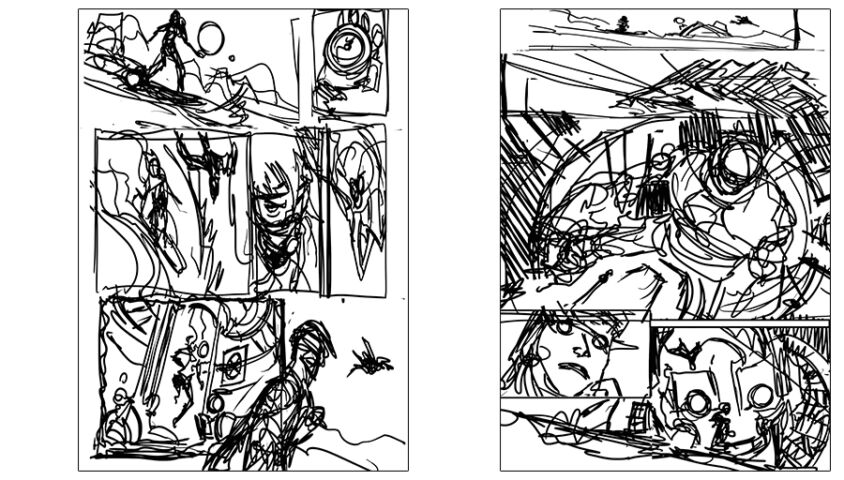
Manga paneling refers to how artists divide a page into frames, called koma in Japanese, to organize scenes and guide the reader’s eye. According to research on manga composition, professionals call the rough layout stage “blocking” or nemu-wari, where they sketch thumbnails and decide how scenes break across pages. This stage is crucial because it determines the rhythm and emotional impact before any final art begins.
Each panel acts like a cut in a film. Small panels speed up the pace, while large panels slow it down for dramatic effect. The space between panels, known as the gutter, gives readers a moment to breathe or signals a time jump. Artists do not randomly place these frames. They carefully plan how your eyes will travel from one corner of the page to the next.
Core Panel Types and Their Uses
Core panel types form the structural backbone of every manga page, and understanding them is essential for anyone learning manga paneling techniques explained in professional guides. Standard rectangular panels create stability and keep readers focused during dialogue or calm scenes, while diagonal and irregular frames inject tension when the story demands energy. According to Clip Studio Paint tutorials, everyday scenes typically use about five to six square panels per page to maintain clarity without overwhelming the reader. These choices are never random. Artists select each panel shape to control how fast you read, what you notice first, and how the scene makes you feel.
1. Standard Rectangular Panels
Rectangular panels are the backbone of most manga pages. They create stability and keep the reader focused on dialogue or calm moments. According to Clip Studio Paint tutorials, everyday scenes typically use about five to six square panels per page to maintain clarity without overwhelming the reader. These panels work best for conversations, internal monologues, and establishing shots where the background or mood matters more than action.
When artists want to show the passage of time or a repetitive routine, they sometimes keep the same panel size and angle across several pages. This monotony becomes a storytelling device itself. Readers feel the boredom or stagnation right alongside the characters.
2. Diagonal and Irregular Panels
Diagonal panels break the grid to inject tension and movement into a scene. MediBang Paint tutorials note that slanted frames are especially common in battle or chase sequences because they disrupt the calm horizontal flow. When a panel tilts, it mirrors the instability of the action inside it.
Some artists push this further by using jagged borders or shattered frames during explosions or emotional breakdowns. These irregular shapes signal chaos without needing extra dialogue. The frame itself becomes part of the story.
Advanced Techniques for Pacing and Emotion
Advanced techniques for pacing and emotion push manga storytelling beyond basic layout into the realm of cinematic control. A splash panel that covers an entire page forces readers to pause and absorb a pivotal moment, while borderless frames can make memories or dreams feel boundless and immersive. According to manga storytelling guides, the biggest panel on any page will always draw the most attention, so professionals reserve these massive frames for scenes that deserve maximum impact. Artists also manipulate gutter width and overlapping frames to compress or stretch time, turning the silent space between images into an emotional tool rather than mere emptiness.
1. The Splash Panel
A splash panel covers an entire page or even a two-page spread, called mi-hiraki in Japanese. These massive frames stop the reader completely. They force you to pause and absorb a pivotal moment, whether it is a character’s dramatic entrance or a devastating revelation. According to manga storytelling guides, the biggest panel on any page will always draw the most attention, so artists reserve splash panels for scenes that deserve maximum impact.
Using too many splash panels weakens their power. Smart creators sprinkle them sparingly, often near chapter climaxes or volume endings.
2. Borderless and Broken Panels
Removing panel borders creates a sense of boundlessness. When an image bleeds to the edge of the page, it feels larger than the story itself. This technique works well for memories, dreams, or overwhelming emotions. According to comic art resources, borderless panels can also make two separate moments feel simultaneous by letting their contents visually merge.
Broken panels take this a step further. A character’s fist or a burst of energy might literally smash through the panel edge. This makes the action feel like it is leaping off the page. However, artists must use this carefully. If too many elements break their frames, the page becomes confusing rather than exciting.
Visual Guidance and Eye Flow
Visual guidance and eye flow determine whether a manga page feels effortless to read or confusing to navigate. Artists control where your attention lands next by strategically placing text balloons, character faces, and directional lines that create an invisible path across the frame. According to research on manga composition, readers naturally gravitate toward faces and dialogue first, so professionals use these elements as anchors to steer the eye from panel to panel. For manga that reads right to left, every speed line, pose, and background detail reinforces that downward diagonal movement. When the visual flow aligns with the reading direction, the story unfolds smoothly without the reader ever noticing the technique behind it.
1. Leading the Reader’s Eye
Manga artists control where you look next through a technique called visual guidance. Research on manga composition shows that readers naturally gravitate toward text balloons and character faces first. Professional artists place these elements strategically to create an invisible path across the page.
For manga that reads right to left, the eye should travel from the top right toward the bottom left. Artists reinforce this by angling speed lines, character poses, and background details in the same direction. When every line in a panel points toward the next frame, the reading experience feels effortless.
2. The Z Pattern and S Pattern
Many artists follow a Z pattern or S pattern when laying out panels. The Z pattern moves the eye horizontally across the top, diagonally down, and horizontally across the bottom. The S pattern creates a smoother, curving flow. According to comic panel tutorials, these patterns help maintain clarity even on busy pages with many small frames. Beginners often start with these structures before experimenting with more complex layouts.
Gutter Control and Timing
The gutter is the blank space between panels, and its width directly affects pacing. A standard gutter creates a steady, even rhythm. Wider gutters slow the pace down, giving emotional weight to what just happened. Narrow gutters or overlapping panels compress time and create urgency.
According to professional comic guides, overlapping panels can make two actions feel like they happen at once. This is common in fight scenes where a punch connects and the reaction occurs in adjacent, slightly overlapping frames. The reader processes both images almost simultaneously, which mimics the speed of real combat.
Manga vs Western Comics Comparison
Manga and Western comics approach paneling from fundamentally different visual traditions, and comparing them reveals why each style resonates with distinct audiences. Manga reads right to left and often treats the page as a continuous emotional wave, using fluid borders, variable gutters, and silent panels to control pacing. Western comics typically read left to right with crisp, consistent panel borders and uniform gutters that create a steady, dialogue-driven rhythm. According to comic art resources, manga’s borderless and broken panels can make separate moments feel simultaneous by letting their contents visually merge, while Western layouts usually preserve clear boundaries between each beat. Neither approach is superior. They simply serve different storytelling cultures, with manga favoring cinematic emotion and Western comics emphasizing structured action and verbal wit.
| Aspect | Manga | Western Comics |
|---|---|---|
| Reading Direction | Right to left, top to bottom | Left to right, top to bottom |
| Panel Borders | Often fluid, borderless, or broken | Usually crisp and consistent |
| Pacing Style | Cinematic, emotional, often silent | Dialogue-heavy, action-focused |
| Splash Panels | Common for emotional peaks | Common for action reveals |
| Gutter Use | Variable width for time control | Usually uniform for steady rhythm |
Manga tends to treat the page as a continuous emotional wave, while Western comics often treat it as a sequence of distinct beats. Neither approach is superior. They serve different storytelling cultures and reader expectations.
Practical Tips for Beginners
Practical tips for beginners can turn abstract theory into confident execution when learning manga paneling techniques explained across professional guides. Start every project with rough thumbnails that prioritize flow over detail, since fixing a bad layout early saves hours of wasted effort later. According to MediBang Paint tutorials, limiting standard pages to five or six panels maintains clarity while reserving fewer frames for dramatic scenes that need breathing room. Place dialogue balloons before drawing final character art to avoid covering important expressions or action lines. Vary your shot types between close-ups, medium shots, and long shots to keep pages visually dynamic. Study published manga daily and note how masters handle silence, panel breaks, and emotional pacing.
- Start with thumbnails. Sketch rough layouts before committing to final art. Focus on flow rather than detail.
- Limit panels per page. Try five or six panels maximum for standard pages. Use fewer for dramatic scenes.
- Place dialogue first. Lay out text balloons before drawing characters to avoid covering important artwork.
- Vary your shots. Switch between close-ups, medium shots, and long shots to keep pages visually interesting.
- Study the masters. Read popular manga and note how professionals handle pacing, silence, and panel breaks.
Frequently Asked Questions (FAQs)
Frequently asked questions help clarify common concerns for readers and creators exploring manga paneling techniques explained in depth across tutorials and professional guides. Beginners often wonder whether expensive software is necessary, why manga uses so many silent panels, and whether mixing Eastern and Western styles is acceptable. According to manga analysis, quiet frames with only a character’s expression or fading background can convey more emotion than dialogue, making silence a deliberate storytelling choice rather than an empty space. These answers separate myth from practical knowledge so aspiring artists can focus on craft rather than confusion.
1. Do I need expensive software to practice manga paneling?
No. Many professionals still sketch layouts on paper before moving to digital tools. Free software like MediBang Paint offers specific manga panel features. The most important tool is your understanding of flow and composition, not the program you use.
2. Why does manga use so many silent panels?
Silence is a deliberate storytelling choice. A panel showing only a character’s expression or a fading background can convey more emotion than dialogue. According to manga analysis, these quiet moments let the art breathe and give readers space to feel.
3. Can I mix manga paneling with Western comic styles?
Yes. Many modern webcomics and graphic novels blend both traditions. The key is consistency. If you choose right-to-left reading, maintain it throughout. If you use borderless panels, establish early that this signals memory or emotion so readers understand your visual language.
Conclusion
Manga paneling techniques explained clearly reveal that the magic of Japanese comics lies not just in the artwork, but in how that art is framed and paced. Every panel size, border style, and gutter width serves the story. Whether you are a reader seeking deeper appreciation or an artist building your first draft, understanding these fundamentals will change how you see the page.